


FINE LINE & MICRO REALISM TATTOO
Pre & Post Care
To make sure you get the best results from your treatment, please follow the guidance below.


EVOLVE
Fine line and microrealism are all about detail, intention and restraint.
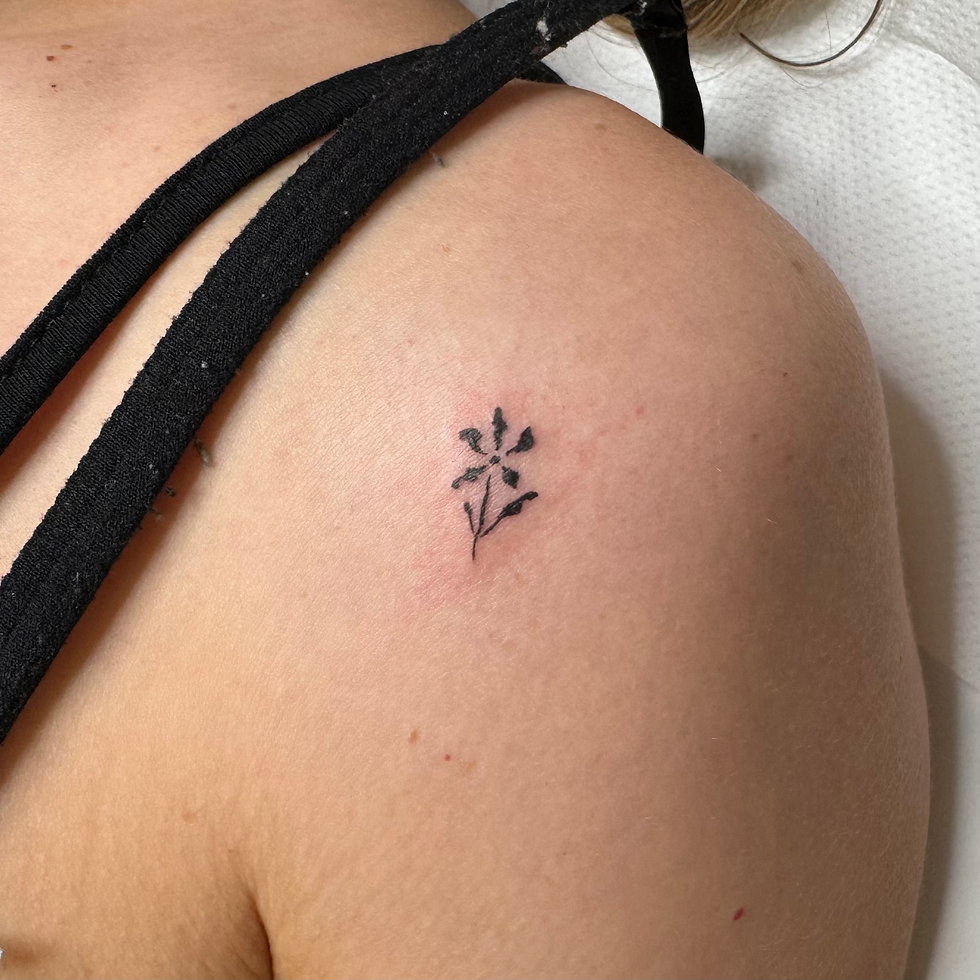
Using fine needles and carefully controlled pigment placement, we create delicate tattoos with a refined, understated finish. Fine line focuses on clean, elegant linework, while microrealism allows us to capture intricate details and realistic imagery on a smaller scale.
From tiny botanicals and meaningful symbols to miniature portraits and intricate objects, every tattoo is designed to feel personal to you - not pulled from a template.
Design process
Whether you have a fully formed concept or just a collection of images you love, we can work from there. Reference images are welcome and help us understand the style, feeling and details you’re drawn to.
From there, your artist will refine the concept with you, taking into consideration your chosen placement, anatomy, skin and how the design will age.
Because smaller isn’t always better.
Fine line and microrealism require enough space for the detail to breathe. Making a design too small can compromise its longevity, so we may recommend increasing the size or simplifying certain elements. That’s not us being difficult - it’s us protecting the tattoo you’re investing in.
Our goal isn’t just to make it look beautiful on the day.
It’s to make it make sense for your skin, too.
Perfecting sessions
Fresh tattoos can be deceiving. As your tattoo heals, the skin settles and the pigment softens. Occasionally, a small area may heal lighter or lose a little pigment during the process. That’s where a perfecting session can come in. Your tattoo will be assessed once fully healed, generally around 4–12 weeks after your initial appointment. If needed, small adjustments can be made to refine the healed result.
Perfecting isn’t a failure of the tattoo - it’s part of working with living, changing skin. Some placements, particularly hands, fingers and feet, are naturally more demanding due to friction, movement and exposure. These tattoos can fade faster and may require more maintenance.
A permanent decision
Fine line doesn’t mean temporary. Despite their delicate appearance, fine line and microrealism tattoos are permanent tattoos. Over time, all tattoos naturally soften, fade and spread to some degree as your skin ages. Fine lines may become softer, tiny details may lose some definition and the overall tattoo may become less crisp than when it was fresh. How your tattoo ages depends on a combination of factors - including your skin, placement, sun exposure, lifestyle, aftercare and how your body holds pigment.
We can’t promise that a tattoo will look exactly the same forever. We can make thoughtful decisions now to give it the best possible chance of ageing beautifully.
Is it right for you?
Tattooing is permanent, so we want you to feel completely confident before we put anything into your skin.
You must be 18 or over to be tattooed.
Certain medications, medical conditions, skin conditions or recent treatments may affect your suitability. We also won’t tattoo over skin that is sunburnt, irritated, broken or otherwise compromised.
If you’re unsure about a placement, design or whether you’re suitable for tattooing, ask us before you book. We’d always rather have the conversation beforehand than compromise your safety or your tattoo.
Health & medication
Your skin is the canvas - and we need to know what’s happening beneath it, too. Please let us know about any medical conditions, allergies, recent procedures, skin treatments or medications you’re taking before your appointment.
Some medications and treatments can affect bleeding, sensitivity or healing, so having the full picture allows us to make responsible decisions about your treatment.
Good tattoos start with good decisions.
We’ll always prioritise your safety, your skin and the long-term result over simply getting you into the chair.
in the run up

-
Keep the area well moisturised with a gentle, fragrance-free moisturiser.
-
Maintain a consistent, gentle skincare routine.
-
Keep your skin protected from excessive sun exposure and sunburn.
-
Wear SPF 50+ on areas that are regularly exposed to sunlight.
-
Avoid aggressive exfoliation or anything that leaves the skin irritated.
-
If you’re prone to ingrown hairs, maintain your usual gentle exfoliation routine where appropriate.
-
Avoid picking spots, ingrown hairs or blemishes in the area you are having tattooed.
-
Avoid any deep exfoliating treatments, chemical peels, resurfacing treatments or laser treatments on the area.
4 weeks prior
-
Avoid waxing or epilating the treatment area.
-
Avoid aggressive physical exfoliation.
-
Avoid introducing new skincare products that could irritate or sensitise your skin.
-
If you use Retin-A, Retinol, Retinal, AHAs, BHAs or other active exfoliating ingredients on the treatment area, pause their use as advised by your practitioner.
-
Avoid sunbeds and excessive sun exposure.
-
Do not use fake tan on the treatment area.
-
Continue using SPF 50+ on exposed areas.
If you have recently had a cosmetic treatment or professional skincare treatment on the area, please let us know before your appointment.
Your skin is the canvas- the healthier and calmer it is, the better prepared it will be for your tattoo.
2 weeks prior
-
Avoid any new or potentially irritating skincare products.
-
Begin gently exfoliating the treatment area daily.
-
Avoid chemical peels, resurfacing treatments or other treatments that may compromise the skin barrier.
-
Continue to moisturise the area gently.
-
Keep the skin protected from the sun.
If you have any active spots, ingrown hairs, rashes, irritation or broken skin in the area, please let us know.
Please don’t pick, squeeze or attempt to treat blemishes immediately before your appointment.
7 days prior
The day before your appointment:
-
Drink plenty of water.
-
Avoid alcohol.
-
Get a good night’s sleep where possible.
-
Continue your normal gentle skincare routine.
-
Keep the treatment area clean and moisturised.
-
Avoid anything that may cause irritation, sunburn or damage to the skin.
If you normally shave the treatment area, you can do so gently in advance of your appointment provided your skin does not become irritated.
Please don’t shave over razor burn, spots or broken skin.
24hours prior
The day of
Come prepared. Please:
-
Eat a good meal before your appointment.
-
Drink plenty of water and arrive well hydrated.
-
Avoid alcohol.
-
Avoid excessive caffeine.
-
Avoid strenuous exercise immediately before your appointment.
-
Arrive with the treatment area clean and free from creams, oils, moisturiser and makeup.
-
Do not apply fake tan to the treatment area.
-
Wear comfortable, loose-fitting clothing that allows easy access to the area.
-
Choose clothing that won’t rub against your fresh tattoo afterwards.
If there is hair in the treatment area, you may remove it beforehand if you wish, but please don’t shave immediately before your appointment if this causes irritation or razor burn.
Please allow yourself enough time to arrive, park and settle in without feeling rushed.
Eat. Hydrate. Breathe. You’re ready.
To note
-
Please avoid donating blood for at least 4 months after your tattoo (UK blood donation guidelines).
-
If you’re planning a holiday involving swimming or prolonged sun exposure, book your tattoo with enough time to allow for proper healing.
-
Bring any reference images you’d like us to discuss, but trust the design process - we’ll tailor the artwork to suit your anatomy.
-
Consider bringing a drink or snack if you’re having a longer appointment. Keeping your blood sugar stable can help you feel more comfortable throughout the session.
-
Wear or bring loose-fitting clothing for after your appointment if your tattoo is in an area that may rub against tight clothing.
-
Every person’s skin heals differently. Following your aftercare instructions carefully will give your tattoo the best chance of healing beautifully.
pre care
PREPARING FOR YOUR TATTOO APPOINTMENT
Your skin
Your skin must be intact, calm and healthy when you arrive.
We cannot tattoo over:
-
Sunburn
-
Active rashes
-
Broken or damaged skin
-
Significant irritation
-
Active infections
-
Areas of inflammation
-
Fresh wounds
-
Severe razor burn
If your skin isn’t suitable for tattooing on the day, your appointment may need to be postponed.
Sun exposure
Please avoid excessive sun exposure and sunburn before your appointment. Sunburned or recently damaged skin is not suitable for tattooing and we may need to reschedule your appointment until your skin has fully recovered. Once your tattoo has healed, protect it with SPF 50+ whenever exposed to sunlight. UV exposure is one of the biggest contributors to premature tattoo fading and can cause delicate fine line work to soften and lose definition over time.
Skincare & active ingredients
Avoid using strong active ingredients directly over the area you are having tattooed in the lead-up to your appointment. This includes:
-
Retin-A
-
Retinol
-
Retinal
-
AHAs
-
BHAs
-
Strong exfoliating acids
-
Physical exfoliants
If you regularly use active skincare products, your practitioner can advise you on when to pause and restart them based on your treatment area.
Medication & health
Please tell us about any relevant medical conditions, allergies, skin conditions and medications during your consultation. Certain medications and health conditions can affect:
-
Bleeding
-
Skin sensitivity
-
Healing
-
Infection risk
-
Your ability to safely receive a tattoo
Please be completely open with us so we can make sure your treatment is appropriate and safe. Never stop prescribed medication without medical advice. If you are unsure whether a medication, supplement or health condition could affect your appointment, please contact us before making any changes.
Alcohol, painkillers & bleeding
Alcohol and some medications or supplements can increase bleeding during your appointment, which may affect the tattooing process and how your skin responds. For this reason, avoid alcohol before your appointment and avoid non-essential medications or supplements that may increase bleeding, where medically appropriate.
Do not stop prescribed or medically recommended medication without first speaking to your GP or prescribing clinician.
Hair removal & grooming
You can continue your usual grooming routine in the weeks leading up to your tattoo. However:
-
Avoid waxing or epilating the area for at least 2 weeks before your appointment.
-
If shaving, do so gently and in advance.
-
Avoid shaving over irritated or broken skin.
-
Do not arrive with razor burn or significant irritation.
If the skin has been irritated by hair removal, we may need to wait until it has settled before tattooing.
A final note
Fine line tattoos are intentionally created with delicate lines and minimal ink saturation. Because of this, they can be more sensitive to factors such as skin type, placement, healing and individual pigment retention than heavily saturated tattoo styles.
Arriving with healthy, well-cared-for skin and following your aftercare carefully gives your tattoo the best possible start.
Your skin is the canvas.
Your aftercare is part of the artwork.
aftercare
LOOKING AFTER YOUR TREATMENT AREA
What to expect immediately after your tattoo
Every tattoo heals differently.
Your tattoo may feel warm, tender and appear slightly red immediately after treatment. Mild swelling and discomfort can also occur and usually settle within the first 12–24 hours.
Your tattoo may initially appear darker, sharper or more defined than your final healed result.
Over the following days, the tattoo may become:
-
Dry
-
Itchy
-
Tight
-
Flaky
-
Patchy
-
Duller or cloudy in appearance
Your tattoo may temporarily appear milky, faded or as though some of the ink has disappeared - this is completely normal.
As your skin finishes healing, the colour and detail will settle into their final appearance.
Please don’t judge your tattoo while it is healing.
Your dressing - second skin, cling film, or nothing!
Depending on your tattoo, its location and how your skin responds, your tattoo may be covered with a Second Skin-style adhesive dressing, cling film, or left uncovered. Your artist will advise you on the most appropriate option for your individual tattoo.
If you have a Second Skin-style dressing:
-
Leave it in place until it begins to come away naturally - usually around 3–5 days.
-
It is completely normal to see clear fluid, ink residue, small air pockets or a bubble-like appearance beneath the dressing.
-
If the dressing becomes irritated or is causing a reaction, please remove the dressing and contact us for advice.
If your dressing needs to be removed, gently roll it back from the edges, keeping the dressing close to the surface of the skin rather than pulling upwards (like how you'd remove a command strip from the wall) as this will gently undo the adhesive.
Once your dressing is removed, or from the day of your appointment if no dressing is applied - clean, dry & nourished!
3 x per day - with clean hands:
-
Gently wash the tattoo with clean water. A gentle antibacterial soap can be used if preferred.
-
Thoroughly pat the area dry using clean kitchen roll. Do not rub.
-
Apply a very thin layer of your recommended aftercare balm.
This is to remove any excess pigment, plasma, sweat or oils.
Your balm should absorb into the skin rather than sit heavily on top. A thick layer is not better - applying too much product can trap moisture and may interfere with healthy healing.
Recommended options include:
-
Bepanthen (the nappy rash one! Great for so many things! - Beth’s favourite)
-
After Inked
-
Hustle Butter
-
Tattoo Goo
Please avoid:
-
Vaseline
-
Fragranced creams
-
Active skincare products
After the initial few days, or once the tattoo begins to feel dry or tight, you can stop doing targeted washing, but please continue applying your aftercare balm at least twice a day. If the tattoo feels tight or dry during the day, additional light applications can be used as needed.
Continue until the post-healing dryness has settled (usually 2 weeks), then transition back to your usual gentle moisturiser. Please don't use any acid containing skin products on your tattoo as they cause premature fading.
The healing process - let your skin do its thing
As your tattoo heals, it may begin to feel dry and itchy and the skin may start to flake or peel.
Do not pick, pull, scratch, rub or peel. Allow any flakes or scabs to shed naturally.
Prematurely removing healing skin can cause:
-
Poor pigment retention
-
Patchiness
-
Uneven healing
-
Scarring
Your tattoo needs time to settle before we can accurately assess the final result.
While your tattoo is healing
Please avoid:
-
Soaking the tattoo in baths
-
Swimming pools
-
Hot tubs
-
Open water
-
Saunas
-
Steam rooms
-
Excessively hot, steamy showers
-
Excessive sweating
-
High-intensity exercise
-
Tight clothing that rubs against the tattoo
-
Picking, scratching or peeling
-
Exfoliating products
-
AHAs and BHAs
-
Retinol, retinal and other Vitamin A derivatives
-
Fragranced products directly on the tattoo
-
Waxing, shaving or epilating directly over the area until the skin has fully healed
If you do need to shower, keep the water comfortably warm rather than hot and avoid prolonged exposure. When drying, pat - don’t rub.
Exercise & sweating
For the first 7 days, avoid high-intensity or sweat-inducing exercise where possible. Avoid public gyms and shared exercise environments for at least 7 days, ideally 10, while the tattoo is healing.
Low-intensity activities at home, such as gentle walking or low-intensity exercise, may be suitable as long as they do not cause excessive sweating or friction around the tattoo.
Sun exposure - protect your investment
Avoid sunbeds and excessive direct sun exposure for at least 2 weeks after your tattoo and while the skin is healing.
Once fully healed, protect your tattoo with SPF 50 whenever it is exposed to sunlight. I recommend using a physical sunscreen that contains titanium or zinc. UV exposure is one of the biggest contributors to tattoo fading and can affect both the longevity and appearance of your tattoo over time. Well-cared-for tattoos stay looking brighter and sharper for longer.
Long-term tattoo care
Once your tattoo has fully healed:
-
Keep the skin moisturised
-
Use SPF 50 whenever your tattoo is exposed to sunlight
-
Avoid regularly using strong exfoliating products directly over the tattoo
-
Continue to look after the surrounding skin with a gentle skincare routine
Fine line tattoos are designed to be delicate, and some natural softening over time is expected. With the right care, you can help protect the clarity and longevity of your tattoo for years to come but touch ups are expected.
Your initial healed result
Fine line and microrealism tattoos are intentionally delicate. Once the new skin has fully healed over the ink, the lines will naturally appear softer and slightly more blurred than they looked immediately after tattooing. This is a normal part of the tattoo settling into the skin. Because these styles use minimal ink saturation, some pigment loss during healing is also normal. There is less excess pigment available to compensate for any areas that don’t retain ink perfectly. This means fine line and microrealism tattoos have a higher likelihood of requiring a small amount of refinement compared with more heavily saturated tattoo styles. This is exactly why your complimentary perfecting session is included.
Your perfecting session - the final touch
Once your tattoo has fully healed, please send Beth a clear photograph so your healed result can be assessed. Your complimentary perfecting session should be booked 4–12 weeks after your initial tattoo appointment if advised necessary. At this appointment, we can assess how your skin has healed and refine any areas where pigment has softened, faded or healed unevenly.
Not every tattoo will require the same level of refinement. Your perfecting session will be tailored to how your individual tattoo has healed.
If after 4 weeks from the initial treatment, some areas feel lacking in pigment, or slightly softer than desired, this is normal! Fine line and microrealism tattoos use minimal ink saturation to achieve their delicate appearance. If any pigment is lost during the healing process, there isn’t excess pigment to compensate for it and 'fill the gap'.
This is why your complimentary perfecting session is included.
Not necessarily. Every person’s skin heals differently. Some tattoos may heal beautifully with minimal pigment loss, while others may benefit from a small amount of refinement.
Your complimentary perfecting appointment allows us to assess the tattoo once it has healed and make any necessary adjustments.
Fine line tattoos are permanent tattoos, but they will naturally soften and fade over time.
How quickly this happens varies from person to person and can be influenced by factors such as sun exposure, skincare, lifestyle, tattoo placement and your individual skin.
Keeping it moisturised, avoiding acids and protecting your tattoo from UV exposure with SPF 50 is one of the best things you can do to help maintain it.
As a guide, some poeple may need a touch up in 5 years, others 20!
Generally no! Immediately after your appointment, your tattoo will look sharper, darker and more defined than the final healed result. This is because your fresh tattoo has pigment deposits right on the surface of your skin and through your epidermis into the upper later of your dermis. Once your heals and regenerates, the surface of the skin and epidermis will return to their pigment-less state and there will only be pigment in the upper layer of your dermis. Your healed skin acts as a layer of tracing paper over your tattoo making it appear softer.